

The use of environmental DNA sampling in mosquito control activities
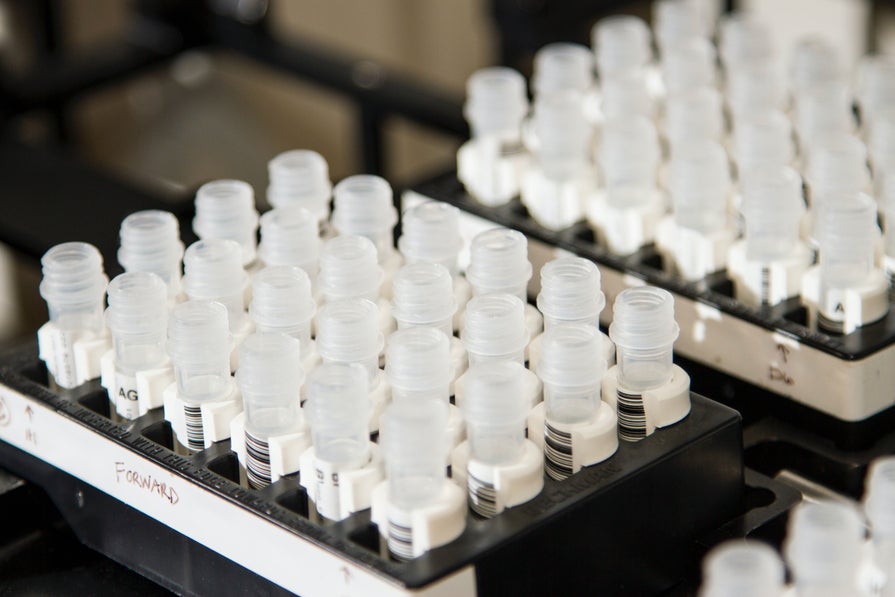
Exploring how environmental DNA could improve mosquito surveillance and support public health efforts to reduce mosquito-borne disease risks
Wendy Pons, School of Health & Life Sciences
About the project
This research examined the potential use of environmental DNA (eDNA) sampling as a tool for mosquito surveillance in Ontario. The project focused on how emerging DNA-based monitoring methods could complement existing mosquito control programs and improve the detection of species that pose public health risks.
The challenge
Public health units are responsible for monitoring mosquito populations and reducing the spread of mosquito-borne diseases such as West Nile virus. As surveillance needs grow, there is increasing interest in approaches that can improve species identification, detect emerging threats and make monitoring programs more efficient.
Approach
- Conducted a scoping review of current research on eDNA applications for mosquito surveillance
- Examined the strengths and limitations of eDNA testing methods
- Evaluated how eDNA approaches align with public health program requirements
- Assessed opportunities to improve mosquito monitoring and species detection
- Identified considerations for future field testing and implementation
Results
- Synthesized current evidence on the use of eDNA for mosquito surveillance
- Identified opportunities to improve species identification and monitoring efficiency
- Highlighted the potential for detecting new or invasive mosquito species
- Established a foundation for future field trials within public health programs
- Generated insights to support evidence-based decision-making related to mosquito control
Why it matters
- Supports innovation in mosquito surveillance and public health protection
- May improve the detection of mosquito species that pose disease risks
- Creates opportunities to improve monitoring efficiency and reduce resource requirements
- Helps inform future public health program development
- Contributes to efforts to reduce the impact of mosquito-borne diseases