

Archive
-
2025
-
2024
-
2023
-
2022
-
2021
-
2020
-
2019
-
2018
-
2016
-
2013
Category
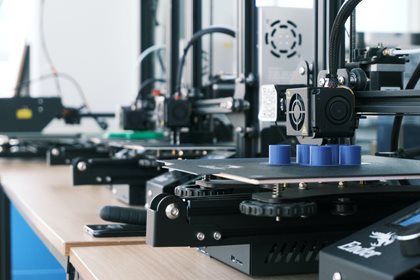
Wire arc additive manufacturing with robotic gmaw
Wire Arc Additive manufacturing (WAAM) is an alternative to traditional metal manufacturing methods such as casting or the machining of raw billets to produce a desired shape. One option for this ‘3D-printing’ of metallic products using the WAAM process is to apply the metal using the GMAW (gas-metal arc welding) process delivered by a standard 6-axis welding robot.
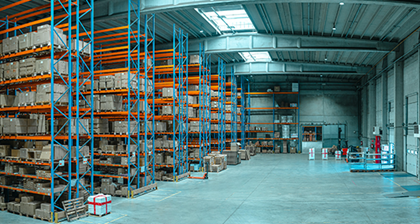
Supply chains: reduce the bullwhip effect and increase visibility
The bullwhip effect is an extreme change in supply availability in a supply chain generated by a small change in demand, and is exacerbated when the supply network is global and contains hundreds of suppliers.
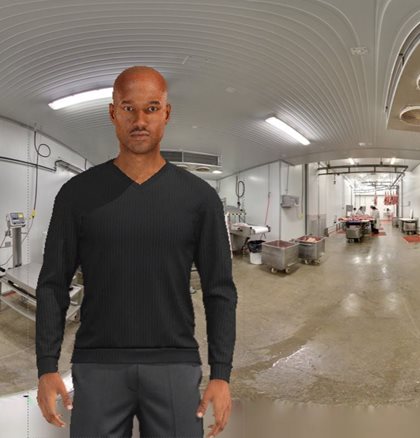
Digital Simulation of Provincially Licensed Meat Plant Food Safety Training- Poster Presentation
Good Manufacturing Practices (GMP) are the operational and environmental conditions required to produce safe foods. They ensure the environment of food production promotes food safety and that all ingredients and packaging materials are handled safely.
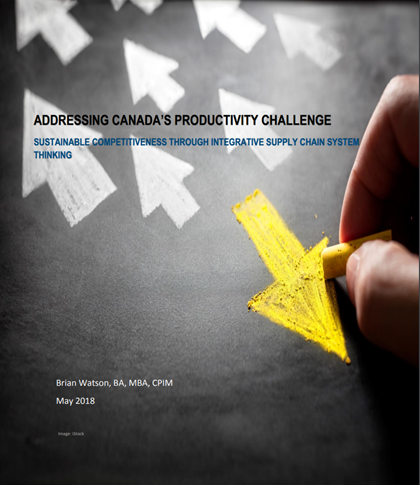
Addressing Canada's Productivity Challenge
Canada’s economy lags behind many other nations in terms of productivity. It is projected that Canada’s productivity
growth rate will be slower than many of its peers over the next thirty years. Addressing Canada’s productivity is a
dynamically complex challenge, impacted by international, national and organizational factors. While governments
hammer out trade agreements, tax and business policy regimes, there is much that individual organizations can and
must do to address productivity improvement.

Use of AI and ML to reduce educational inequities and improve digital learning
Hitch Tech Inc., in conjunction with Conestoga College, is committed to tackling educational
inequities by designing and building an information system to revolutionize the connection of
printed text and digital content supporting the delivery of high‐quality education. The benefits of this system will serve under‐privileged countries, regions, and peoples in its ability to leverage the existing work of educators across the globe, and to bridge language gaps, in order to link specialized regional and ethnic learnings to formal educational curricula.