

Archive
-
2025
-
2024
-
2023
-
2022
-
2018
Categories

Developing an AI chatbot to support customer inquiries and quotations for Belco Doors
This project focused on developing a prototype AI chatbot for Belco Doors’ redesigned website. The goal was to help customers quickly access information about Belco’s elevator door products and streamline the quotation process, which previously required extensive back-and-forth with company staff due to the detailed specifications involved.

Enhancing energy system control and interoperability for Vortex’s iBMS
Conestoga’s SMART Centre partnered with Vortex to upgrade its intelligent battery management system with new automation features and improved compatibility for real-world deployment.

Advancing greywater reuse for sustainable water management in Ontario
This project explores how greywater recycling systems can be adapted for use in commercial, institutional, and industrial buildings across Ontario.

Exploring the life-affirming impact of wish-granting for older adults
Conestoga’s Centre for Health Care Research & Innovation partnered with Chartwell Wish of a Lifetime to lead a research study on the impact of a wish-granting program for older adults.

Exploring sustainable fruit processing for Oat & Mill’s dairy-free ice cream
Oat & Mill partnered with the Conestoga Food Research & Innovation Lab (CFRIL) to explore alternative fruit processing methods that align with the company’s commitment to sustainability and product quality.
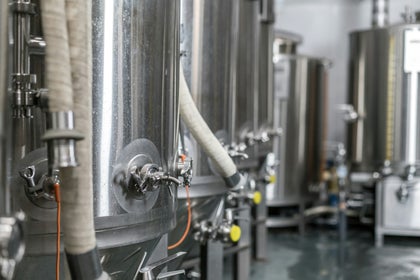
Supporting product development and commercialization for Terra Bioindustries
Terra Bioindustries, a Toronto-based food upcycling company, partnered with the Conestoga Food Research & Innovation Lab to support the development of technical specifications and prototype formulations for one of their flagship ingredients, Recyclose.

Building an AI-powered matchmaking platform for enhanced business partner matches
This project focused on developing a prototype web application to help companies connect with one another during international trade events and missions. The goal was to create a tool that uses AI to recommend connections between companies with shared interests, helping them stay engaged beyond the event itself.

Embedding strengths-based learning in career development for trades students
By integrating the Gallup CliftonStrengths assessment into course delivery, the project examined how this framework might enhance academic confidence, career clarity, and student engagement, especially in hands-on programs where reflective and interpersonal skills are often overlooked.
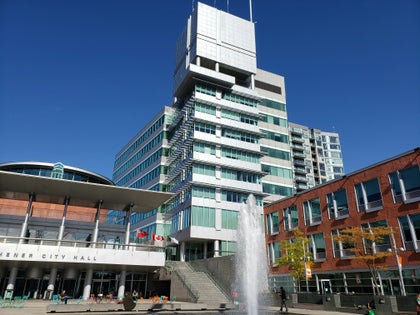
Examining the link between inflation and mental health in the KWC region
This study investigated the relationship between economic inflation and mental health outcomes in the Kitchener-Waterloo-Cambridge region from 2015 to 2022. Drawing on data from government sources, healthcare organizations, and housing authorities, the research analyzed how financial stressors such as inflation, housing affordability, and food insecurity contribute to rising mental health challenges in the region.

Exploring food, belonging, and community through narrative with international students
This mixed-methods research project explored the connections between food, storytelling, and community-building among international students at Conestoga. In partnership with the Kuwait Aid Network, the team conducted a student survey, hosted community consultations, and gathered qualitative data through four writing pop-up events that invited students to share stories and reflections related to food, identity, and belonging.